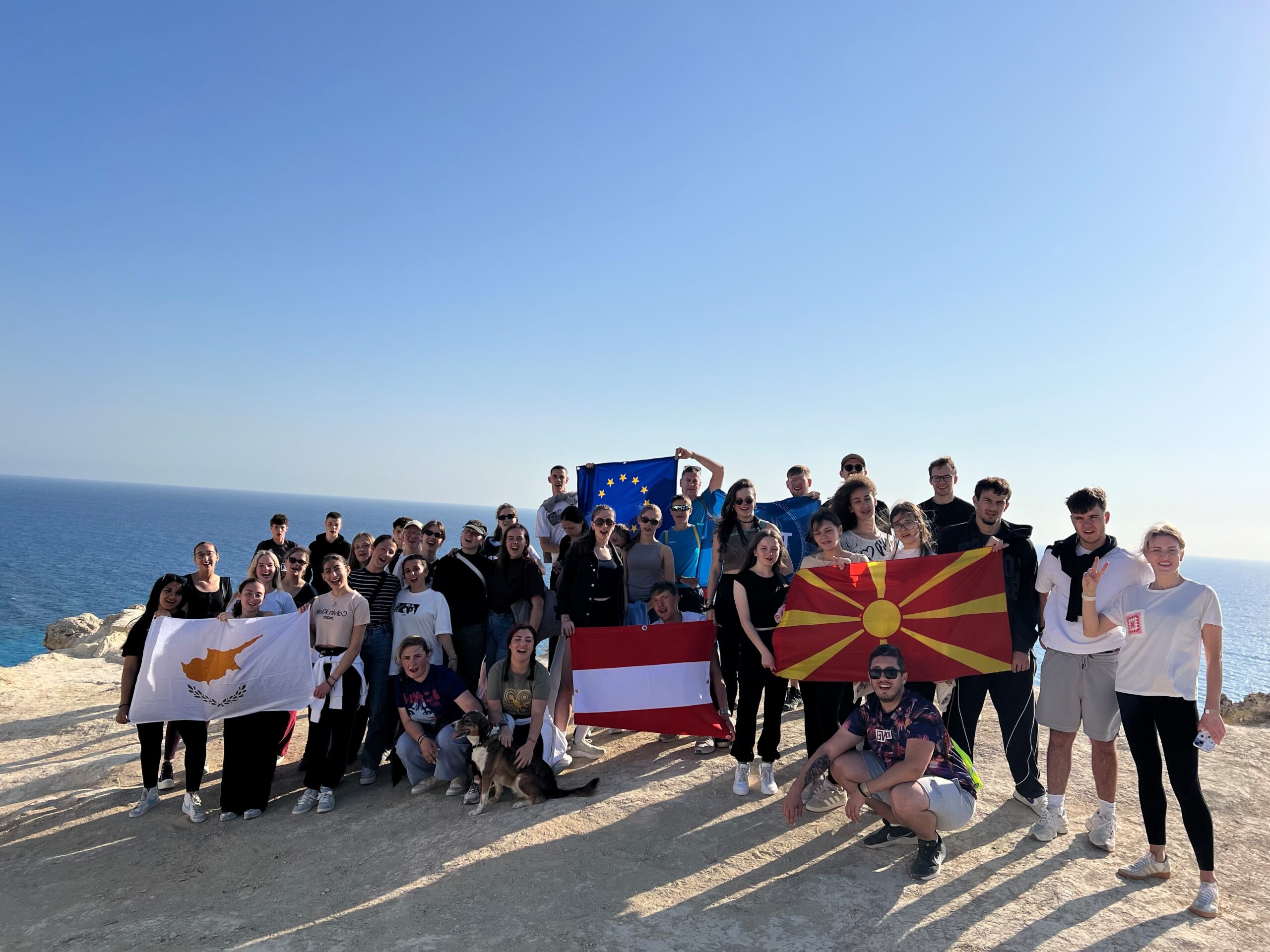
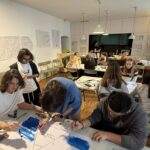
From February 10-18, 2026, Vienna became a meeting place for young people from Austria, Cyprus, Lithuania, Poland and Portugal as part of the Erasmus+ Youth Exchange ECAPT (Empowerment through Creative Arts and Participation for European Teens). We were hosted in the apartments in Ferchergasse, and for the Tredu Club it was a special step: our first project as an applicant organization. This week allowed us to grow a lot – organizationally, in project management and also in our confidence that we can create such international learning spaces.
ECAPT was all about inclusion and anti-discrimination, but not as dry theory. We worked with creative tools, theater methods, media criticism, art and experience-based exercises and reflected together on topics such as racism, sexism, ableism, classism, religious discrimination, identity and stereotypes in the media.
What we have done
Day 1 – Arrival & group feeling
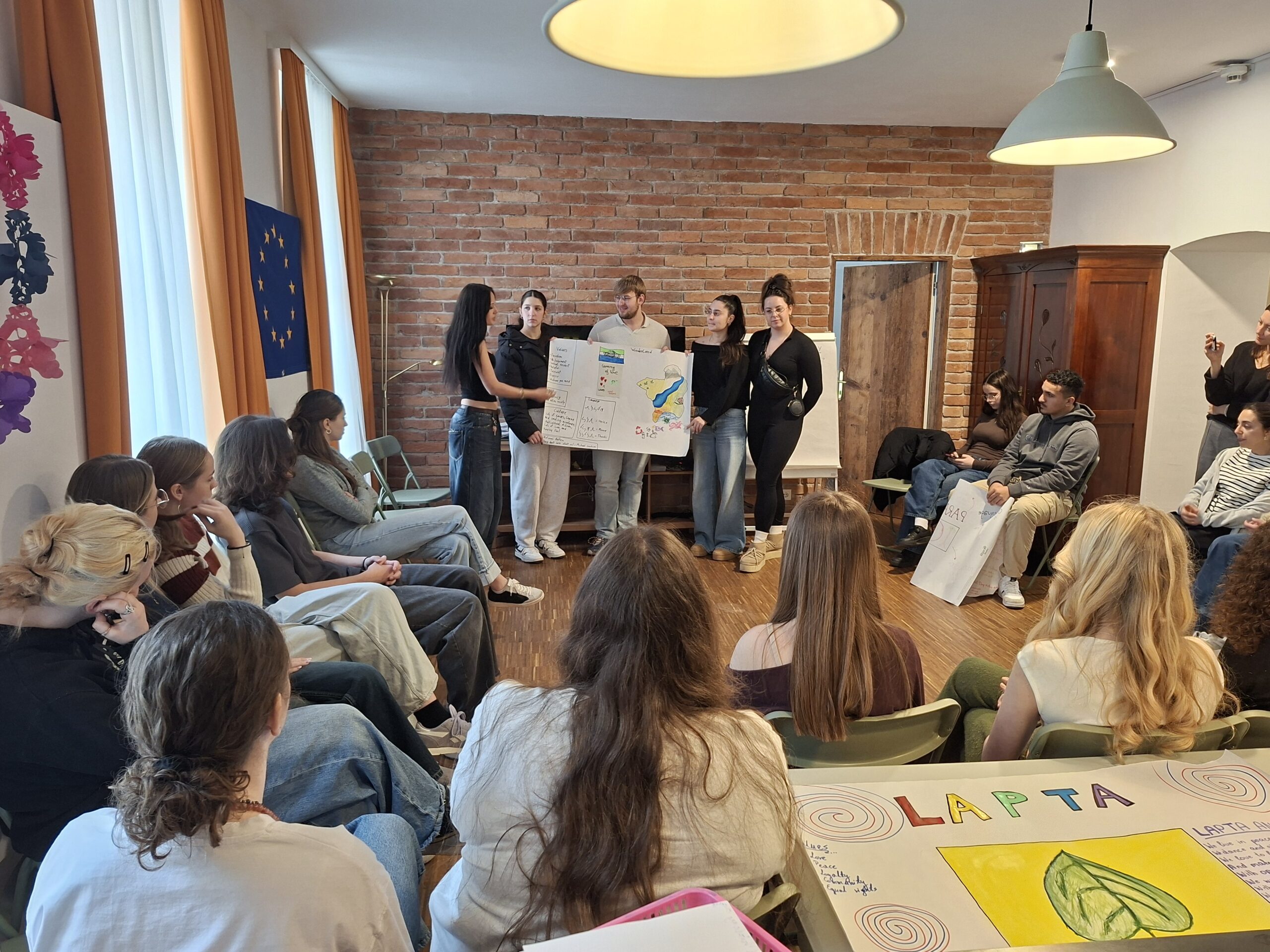
Getting to know each other, team building and first steps into the topic: name games, creative exercises and an “NGO market” where each organization presented itself visually. In the evening, there was the first Cultural Night – and the first real “we” feeling.
Day 2 – Understanding discrimination & reflecting on identity
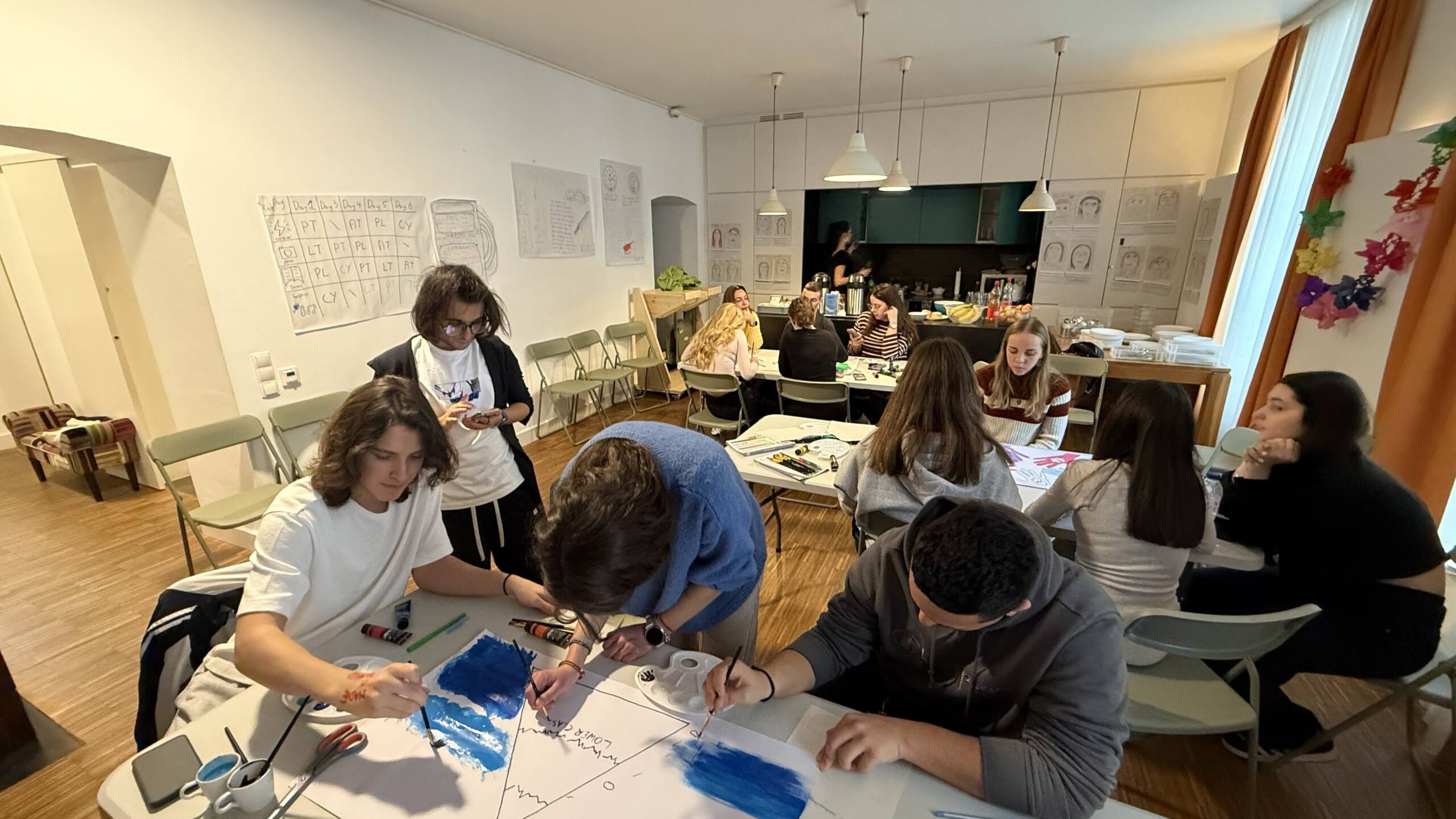
The country teams presented their research on discrimination and possible solutions. Afterwards, things got personal with the “Identity Flower” method – and in the afternoon, powerful social posters on various forms of discrimination were created.
Day 3 – Expanding perspectives in the city
Joint cultural day in Vienna: After a short stop at St. Stephen’s Cathedral, we went to the Jewish Museum, where we reflected on history, the culture of remembrance and human rights – very intensively and in line with the project theme.
Day 4 – Art, emotions & simulation
In the morning, the participants worked experimentally and artistically (materials, textures, free composition). Teams then developed “their own countries” with rules – and defended them in a UN Security Council-like simulation on inclusion and anti-discrimination.
Day 5 – Theatre of the Oppressed & World Café
Theatre of the Oppressed was used to play out situations of discrimination – and the group was able to actively intervene, change scenes and try out solutions. In the afternoon, the World Café focused on art, power, social media and the question of whether art can change society.
Day 6 – Making barriers tangible & digital voices
The day started with experiential exercises on trust and communication (including being guided blind) – and showed how crucial clear language and safety are. The teams then produced videos and learned how to think about accessibility in a practical way (e.g. subtitles).
Day 7 – Erasmus+ opportunities, Youthpass & joint conclusion
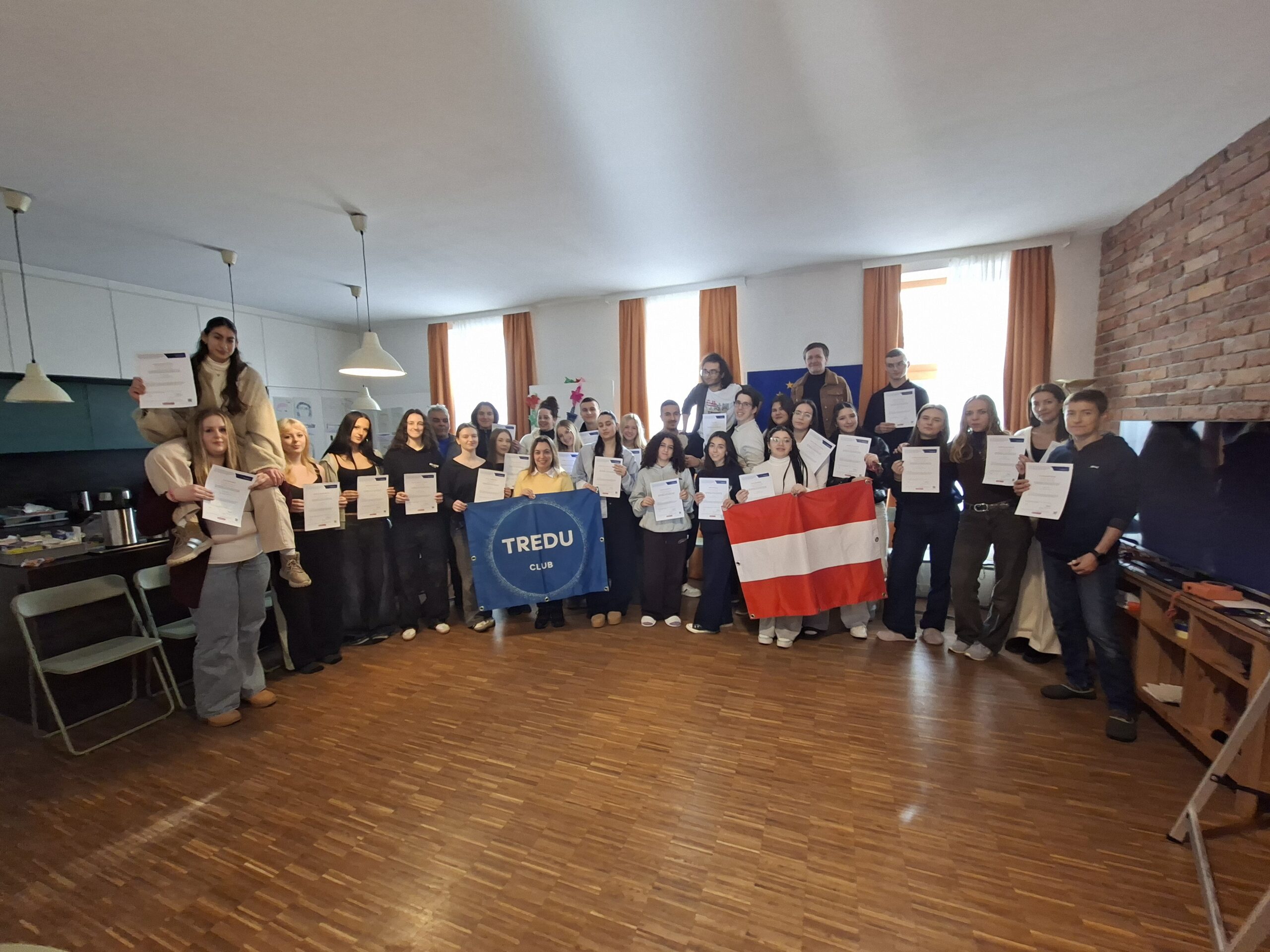
We watched all the project videos together, collected concrete follow-up plans for the countries and received the youth passports at the end. Afterwards, we went to a Viennese event about European dance traditions – an atmospheric conclusion to a week full of connections.
More than workshops
The workshops and activities provided content and methods. The time in between was just as important. A lively European togetherness was created during meals together, exchanges in small groups and in the evening programs. At the same time, an understanding of different cultures, working methods and understandings of time grew. Many made contacts that could lead to new collaborations.
Effect in practice: Follow-up at school
We are particularly pleased that ECAPT was not “just” a project week: Julia then presented her experiences at her vocational school and took the project (including methods, learning and personal development) further. This means that the content has already been incorporated directly into everyday school life, which is exactly how local impact is created.
Our conclusion as Tredu Club
ECAPT has shown how powerful creative methods can be when it comes to difficult topics: they open doors, make it easier to change perspectives and encourage young people to look, reflect and act courageously. And for us as the Tredu Club, it was a big step with a huge learning curve, but also with the good feeling that we can do it. And so we look forward to perhaps hosting another project in Vienna.
What happens next
If you would like to be involved in future Erasmus+ projects (as a participant or partner organization), please stay tuned to our WhatsApp community or sign up for the newsletter, we are already planning the next formats.
Many thanks for the excellent cooperation to all participants and partner organizations.