 Planting trees, experiencing sustainability, and shaping Europe together: At the Erasmus+ youth exchange “Make It Alive” in Cyprus, environmental awareness turned into concrete action.
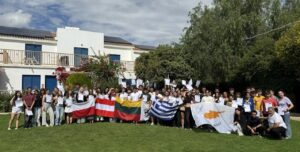
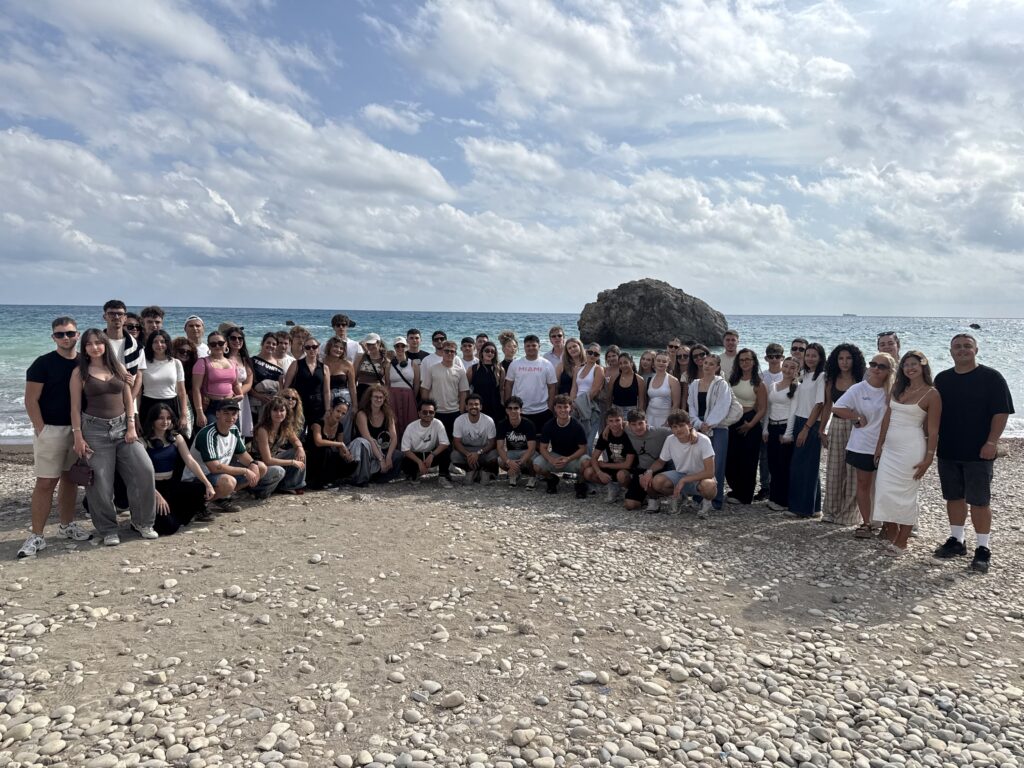
From October 10 to 18, 2026, 48 young people from eight European countries gathered in Pissouri, Cyprus. Among them was an Austrian group from the Tredu Club. Together, the participants explored climate change, environmental protection, and sustainable lifestyles—and took action themselves in the process.
New Hope After the Wildfires
The devastating wildfires of the summer of 2025 had caused extensive damage in Cyprus. This is exactly where “Make It Alive” came in: Young people should not only talk about the consequences of climate change, but also contribute to the restoration of nature.
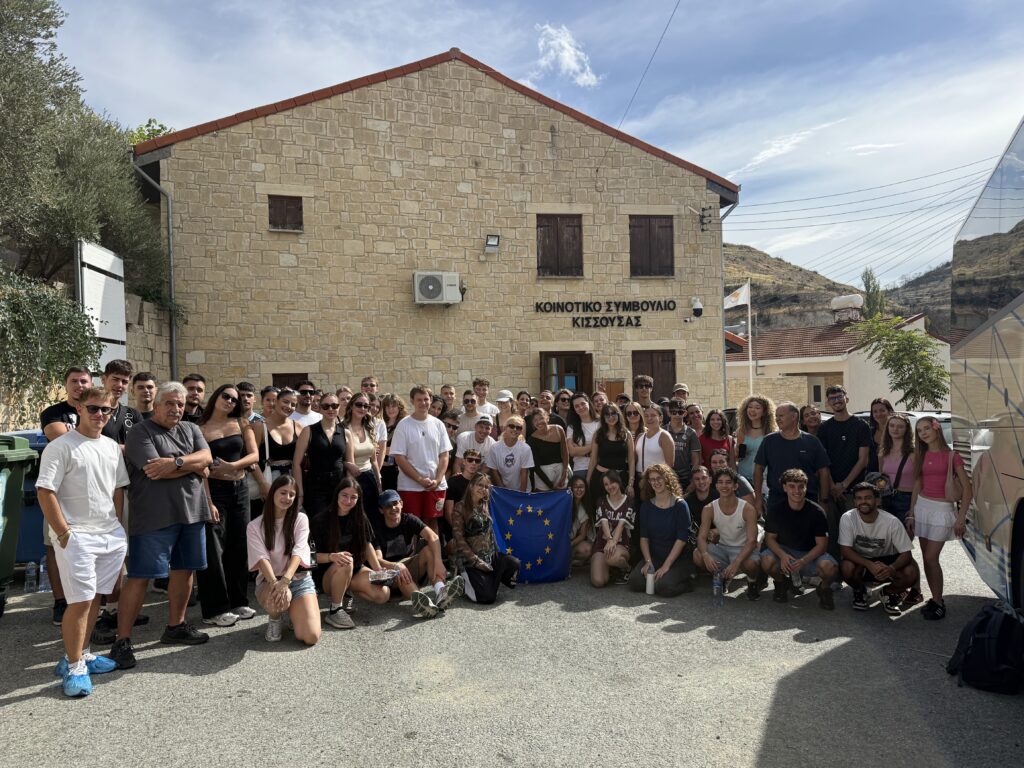
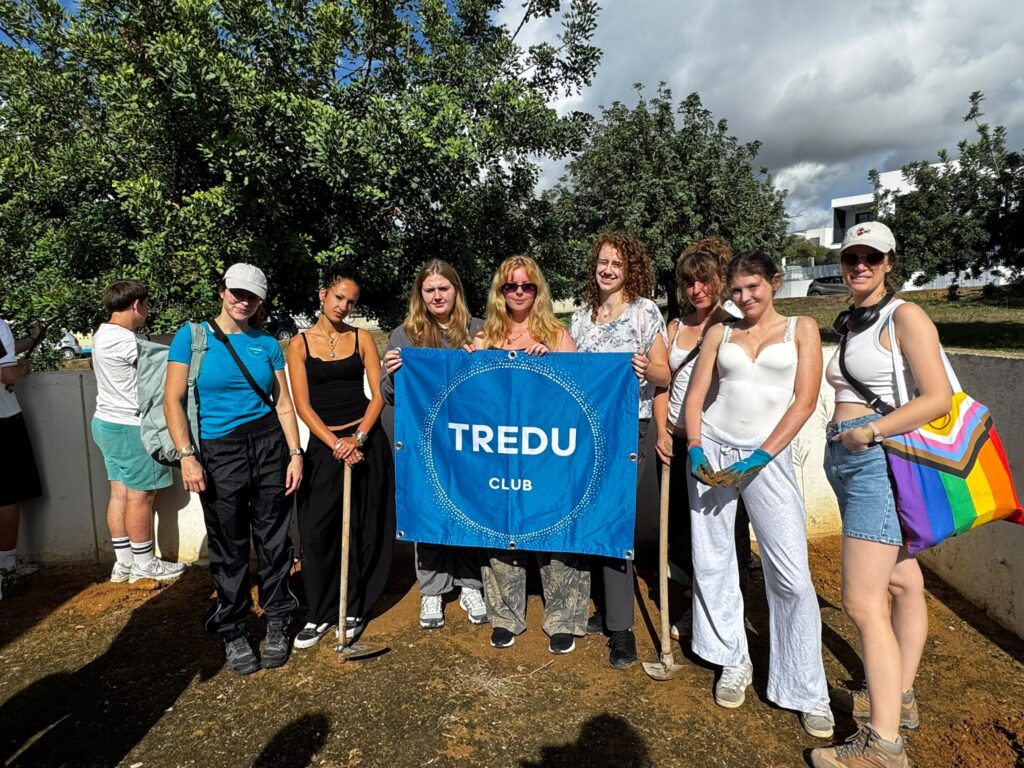
A key component of the project was the joint tree-planting initiatives. In the village of Kissousa, among other places, the participants pitched in and planted new trees. This made it clear that environmental protection means more than just theoretical knowledge. When people take action themselves, they also develop a different connection to nature and a stronger sense of personal responsibility.
Discovering Sustainability in a Creative and Playful
Way
In addition to hands-on environmental activities, the program offered numerous opportunities to learn new things and contribute your own ideas.
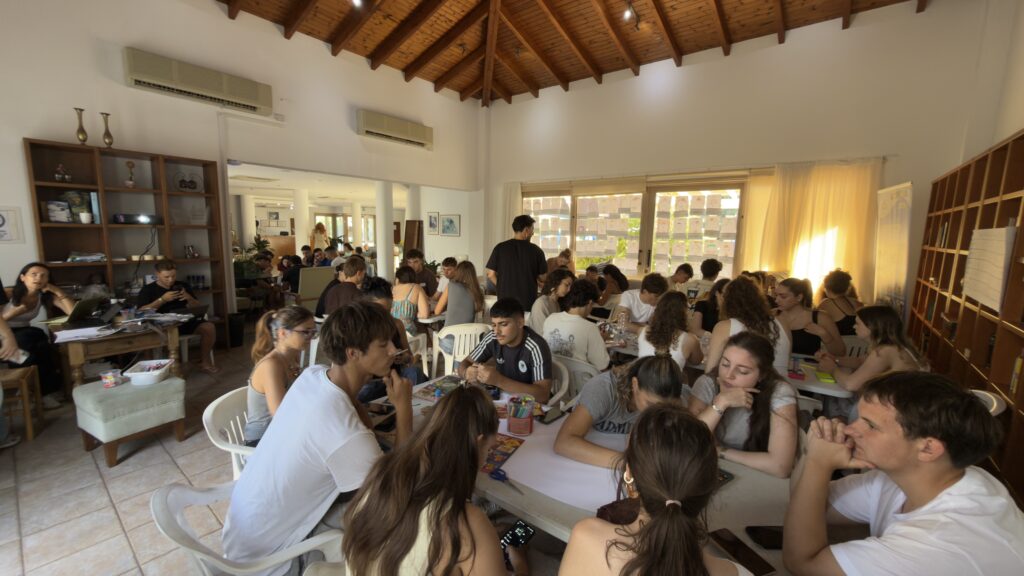
In workshops and discussions, the young people explored climate change, sustainable lifestyles, and environmental responsibility. Things got particularly creative when they worked together on ECO NEWS, an environmental newspaper for which the participants developed their own articles and ideas. The “Decathlon of Environment” featured a variety of activities centered on sustainability. To wrap things up, international teams created their own videos to share their messages for a more sustainable future. In this way, environmental protection became something that participants could not only understand but also experience together and communicate creatively.
Movement, nature and cultural discoveries
Physical activity and shared experiences were also important components of the youth exchange. Through korfball, the young people were introduced to a team sport that emphasizes cooperation. A hike through the countryside around Pissouri offered an opportunity to experience Cypriot nature firsthand.
The group also took field trips to Omodos and Paphos, where they were able to learn more about Cyprus’s history, culture, and traditions. These shared activities highlighted how well physical activity, experiencing nature, and intercultural learning complement one another.
Eight countries, many cultures, one community
In addition to environmental protection, European exchange was a central component of “Make It Alive.”
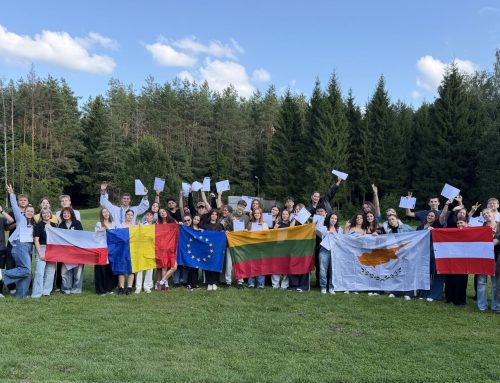
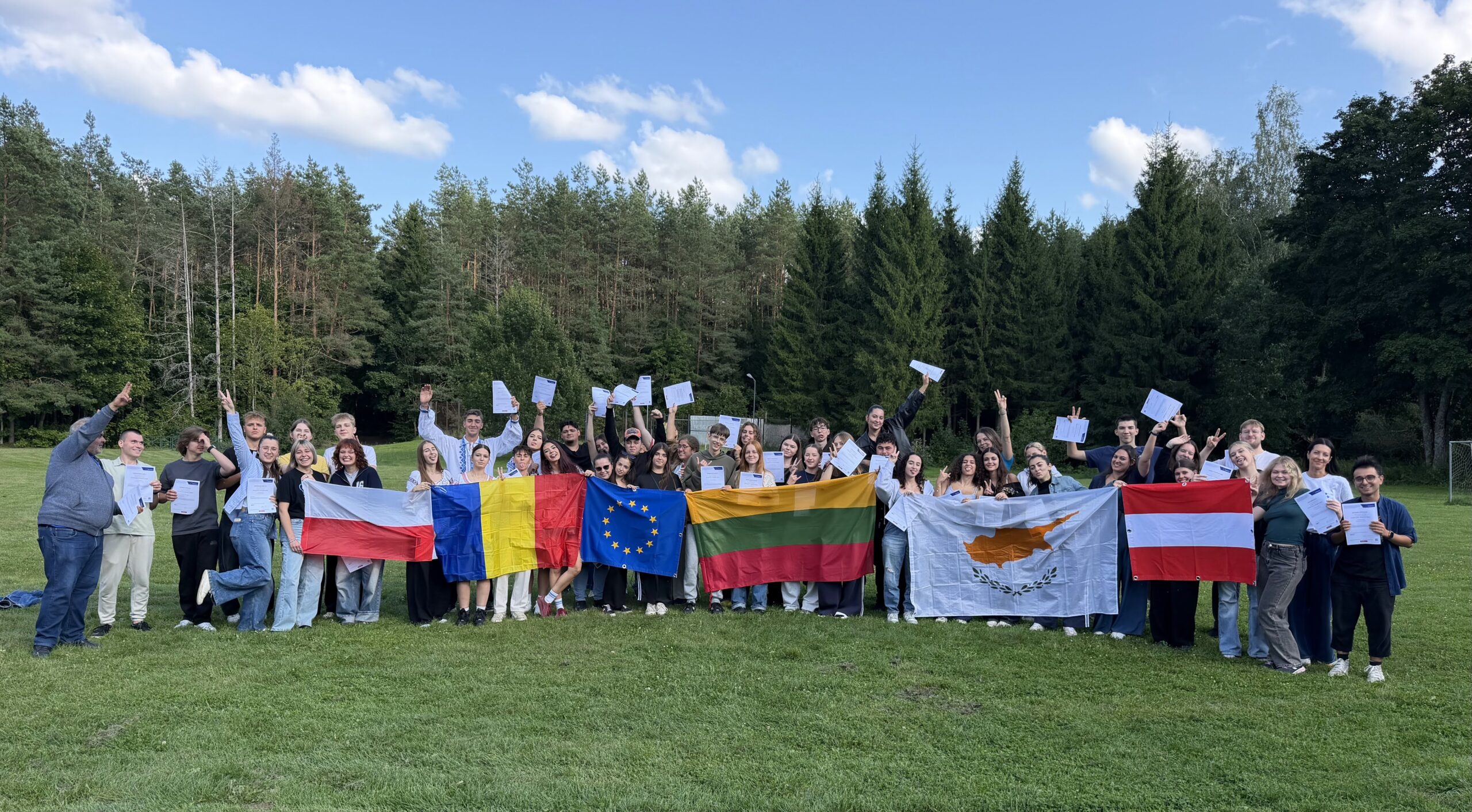
Young people from Cyprus, Austria, Portugal, Greece, Lithuania, Poland, Serbia, and Romania spent the project days together, worked in international teams, and learned from one another. During the intercultural evenings, the different countries presented their traditions, foods, music, and dances. The goal was not only to learn about other cultures, but also to discover commonalities and form new friendships. It is precisely these personal encounters that make Erasmus+ youth exchanges so valuable: Europe is not merely perceived as an idea, but experienced as a community.
What Remains of “Make It Alive”?
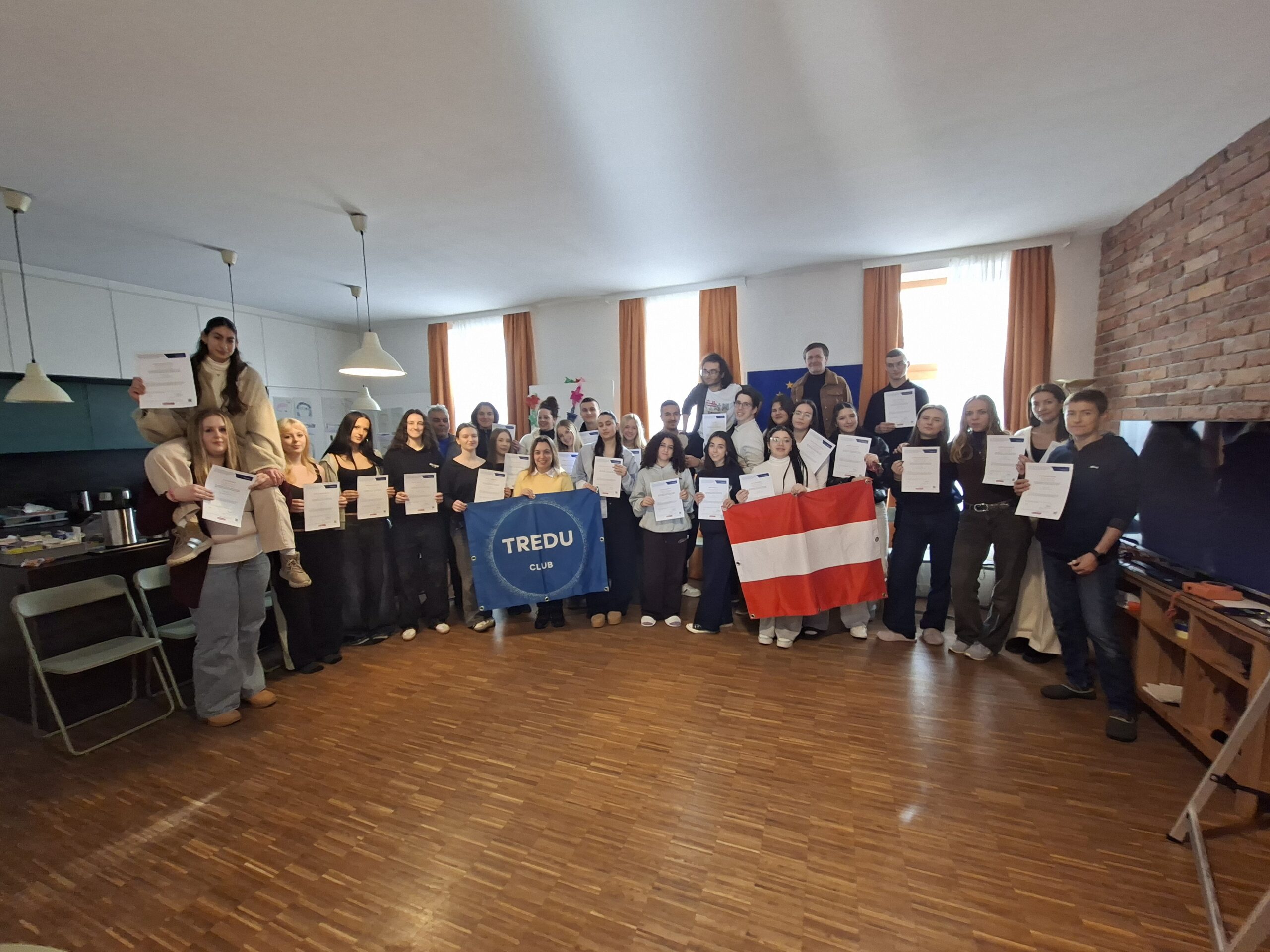
At the end of the youth exchange, the participants presented their videos, reflected on their experiences, and received their Youthpass in recognition of the skills they had acquired.
“Make It Alive” demonstrated that young people, too, can make a tangible contribution to environmental and climate protection. At the same time, the project provided an opportunity to further develop self-confidence, teamwork skills, creativity, and intercultural competencies.
For the Tredu Club, participating as an Austrian partner organization was another valuable experience in international youth work.
What we’ve learned from this project: Sustainability begins with awareness—but it only comes to life through collective action.
We are pleased to have been part of this European collaboration and hope that the experiences and ideas from Cyprus will continue to have an impact on the participants’ daily lives.
You can find out more about the individual activities and the implementation of the project on the official Make It Alive project website.
The “Make It Alive” (KA152-YOU) project was funded by the European Union’s Erasmus+ program. The coordinating organization was SIMVOULIO KOINONIKIS EVIMERIAS PISSOURIOU in Cyprus. Tredu Club participated as the Austrian partner organization.