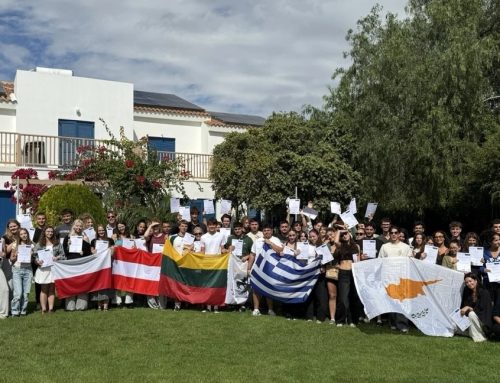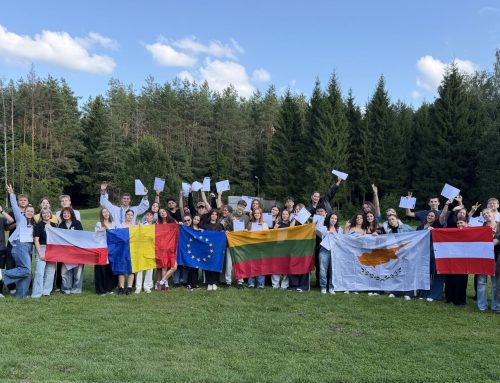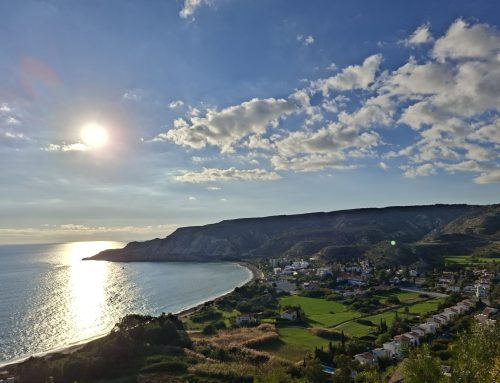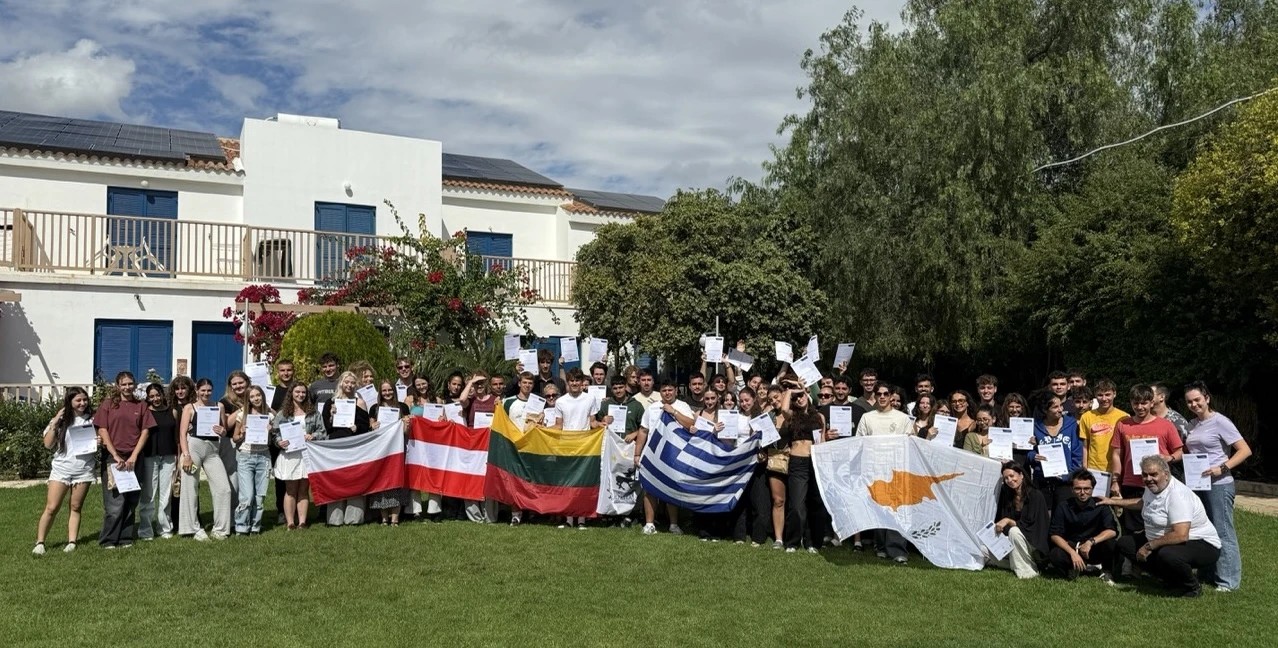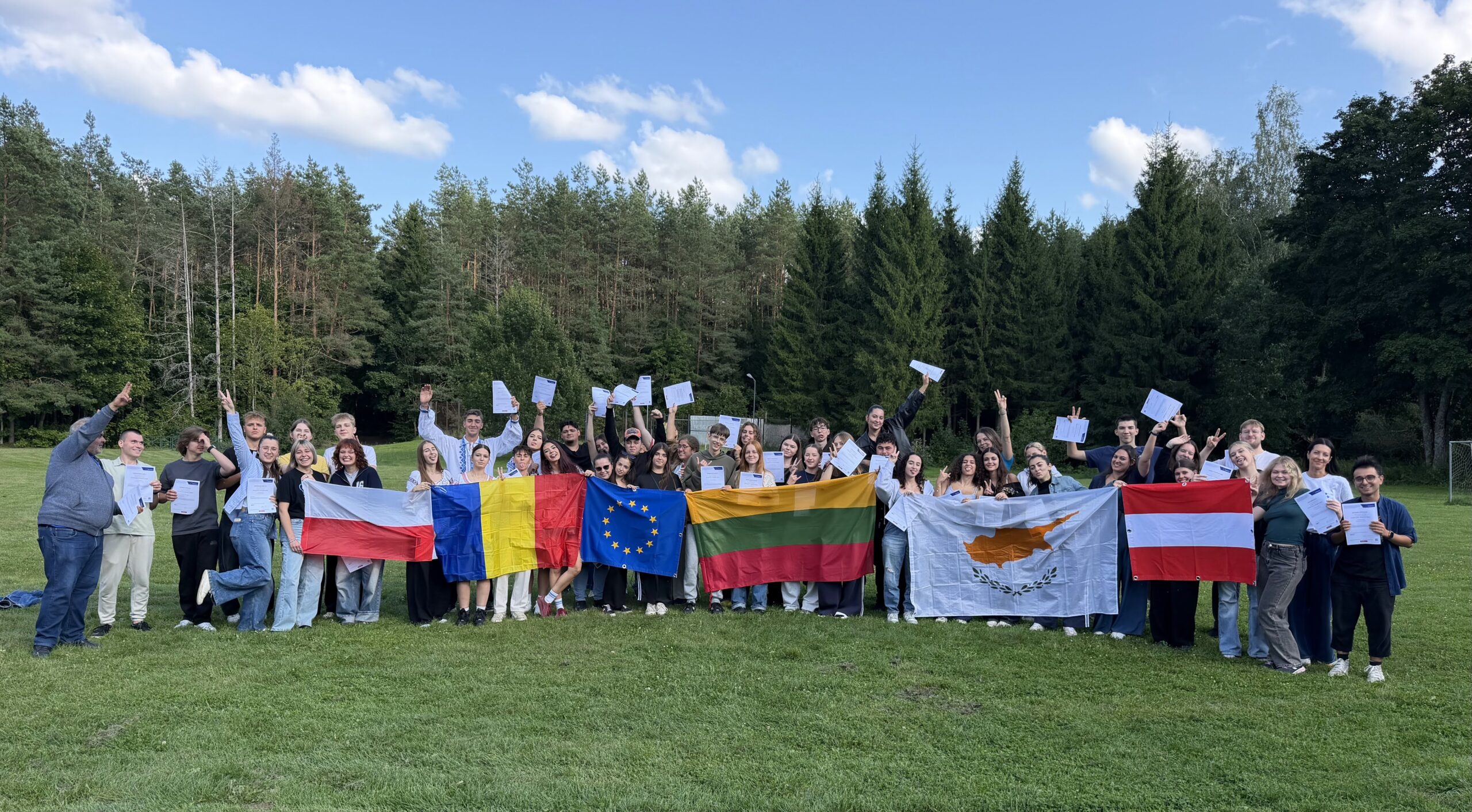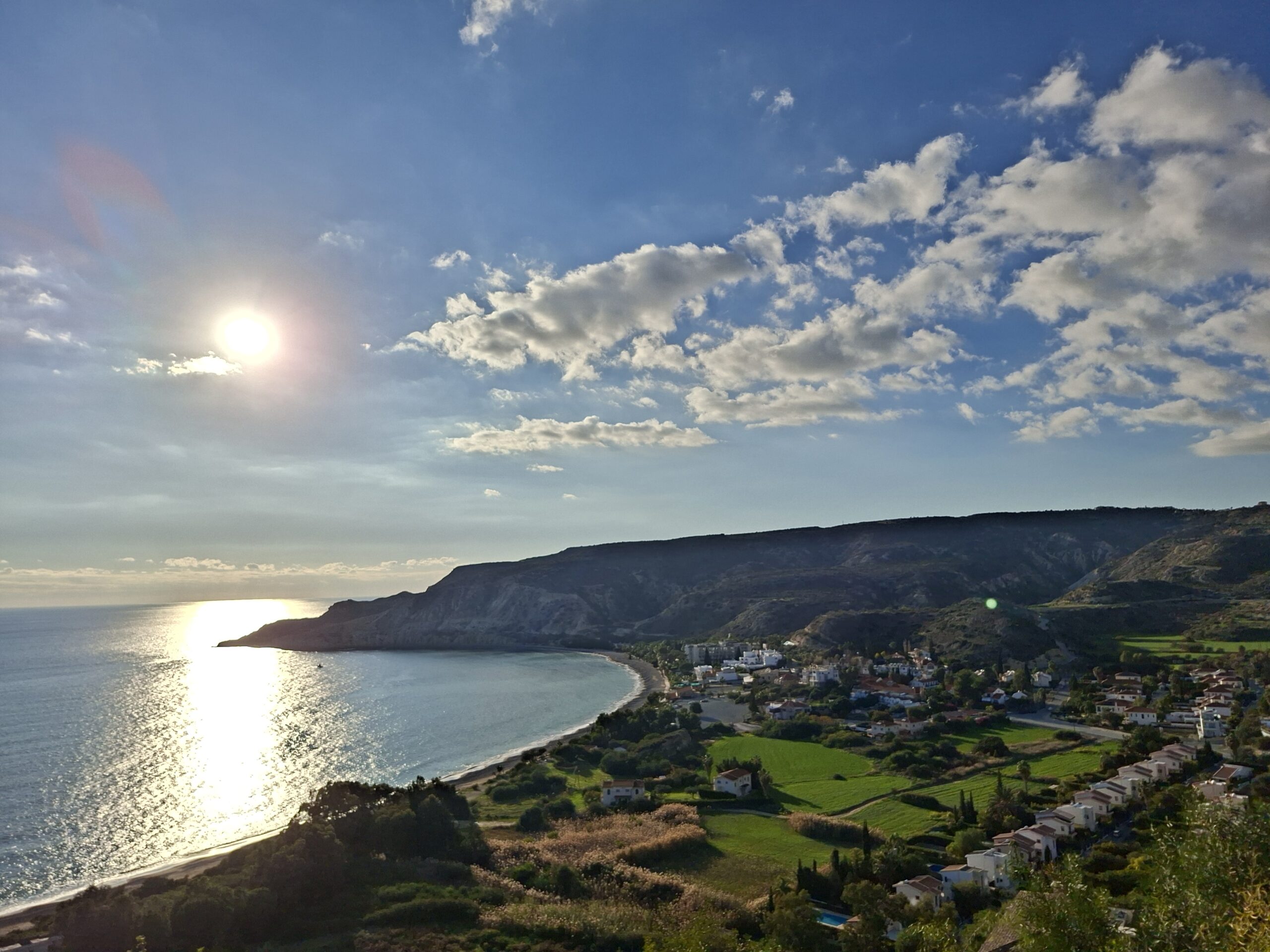
For one week, from November 11 to 18, 2026, six coaches and two staff members from our administration traveled to Pissouri, Cyprus. As part of our Erasmus+ Sport project “Movement Connects: Healthy and Active Together,” we wanted to find out how community sports are organized in another European country and what we could learn from that for our work in Vienna. Our partner organization ACPELIA and numerous local sports providers gave us insights that are hard to gain from a distance.
Learning with a Plan
To ensure that our many impressions turned into real insights, we carefully coordinated the program together with ACPELIA. The focus was on hands-on activities with local partners and sports providers, and each program activity had a clear learning objective. In the evening, we gathered for a reflection session where we discussed what we had noticed and how we could apply it to our club’s work. Everything we gathered during this process was incorporated into a mobility journal, which now serves as the foundation for our next steps.
Take a look behind the scenes
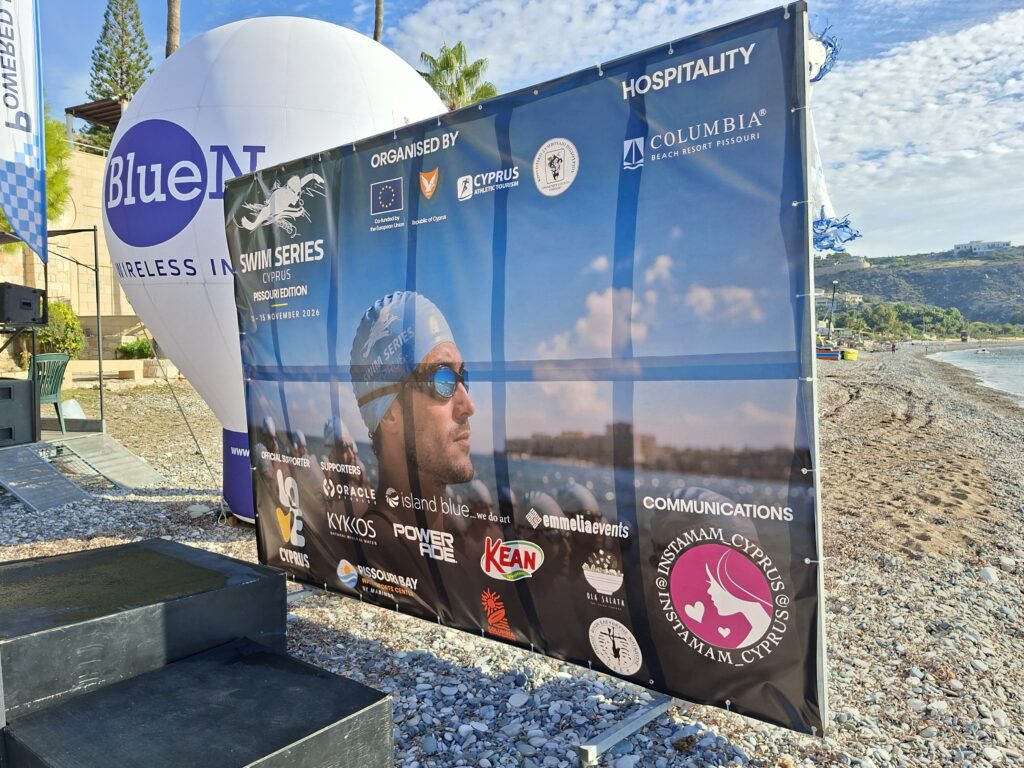
The Pissouri Swim Event was particularly insightful because we were able to experience it from two perspectives: While one of our coaches swam in the event himself, our admin team closely observed how registration, the start procedure, safety, communication, and sustainability were organized. Based on these observations, we’ve created a checklist for our own sports events, covering everything from early involvement of the local community to refill stations instead of plastic bottles, all the way to accessibility.
Equally fascinating was the comparison of two climbing gyms that operate in very different ways. In Limassol, operations are almost entirely self-managed, while the gym in Nicosia is professionally managed and features a parkour area as well as regular route setting. Together with a visit to a hotel fitness center that’s also open to people from the surrounding area, this led us to an important insight: Low-barrier access works best when it’s combined with clear minimum standards, such as a brief orientation, visible safety rules, and an accessible point of contact.
Learning from One Another
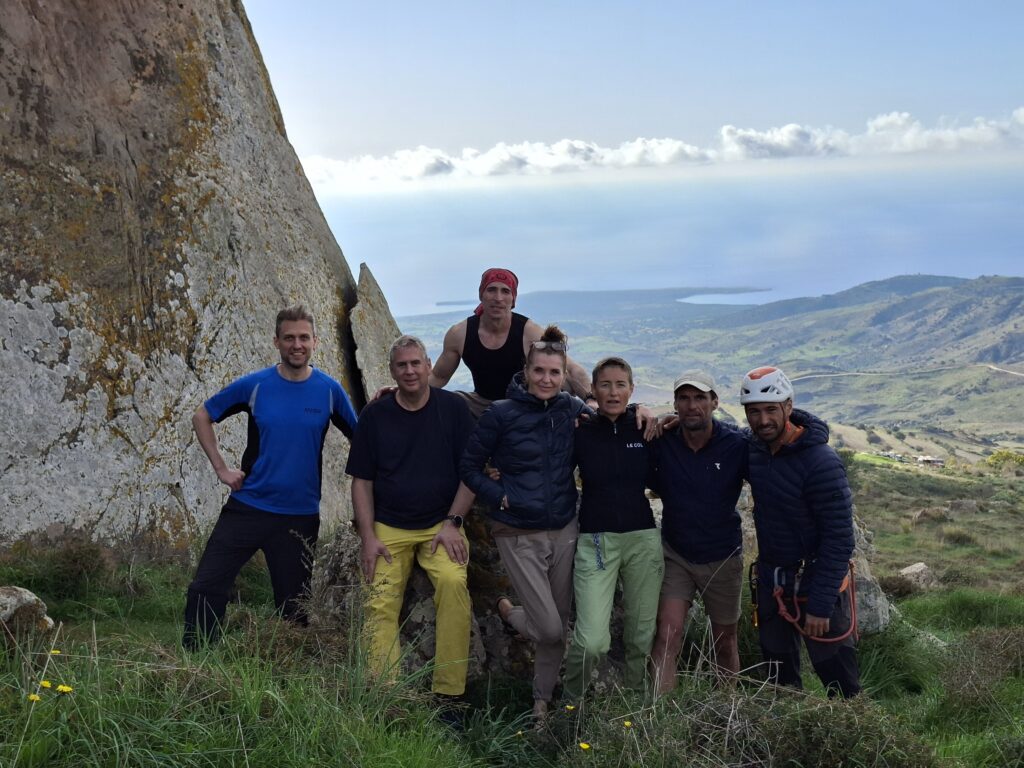
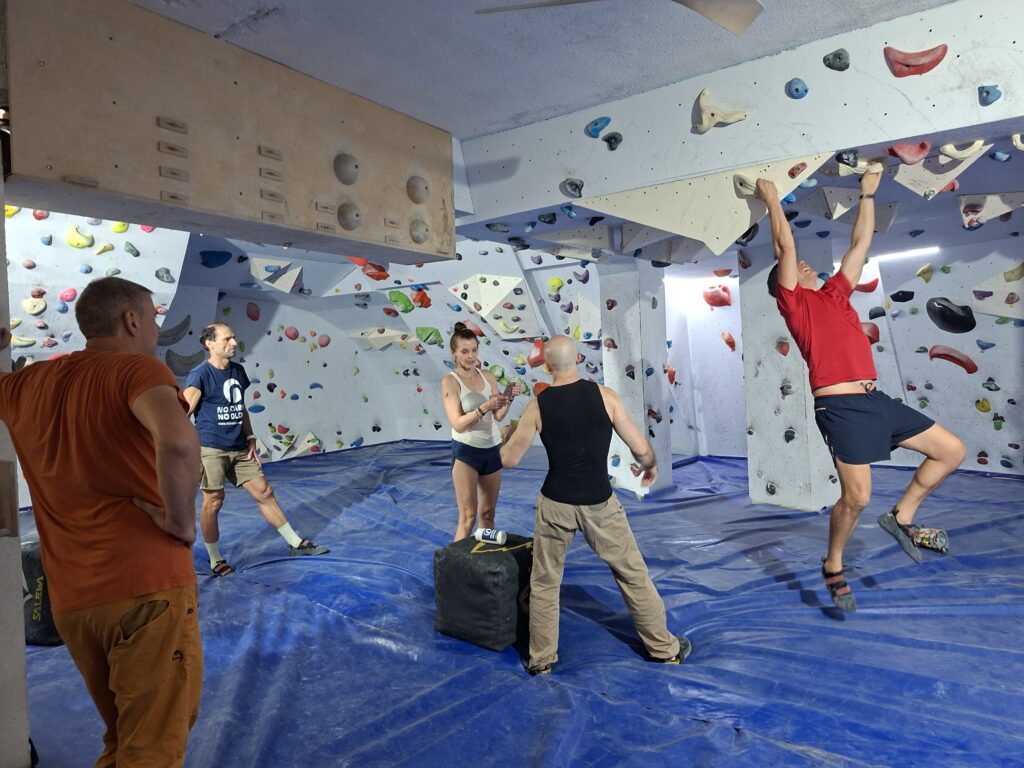
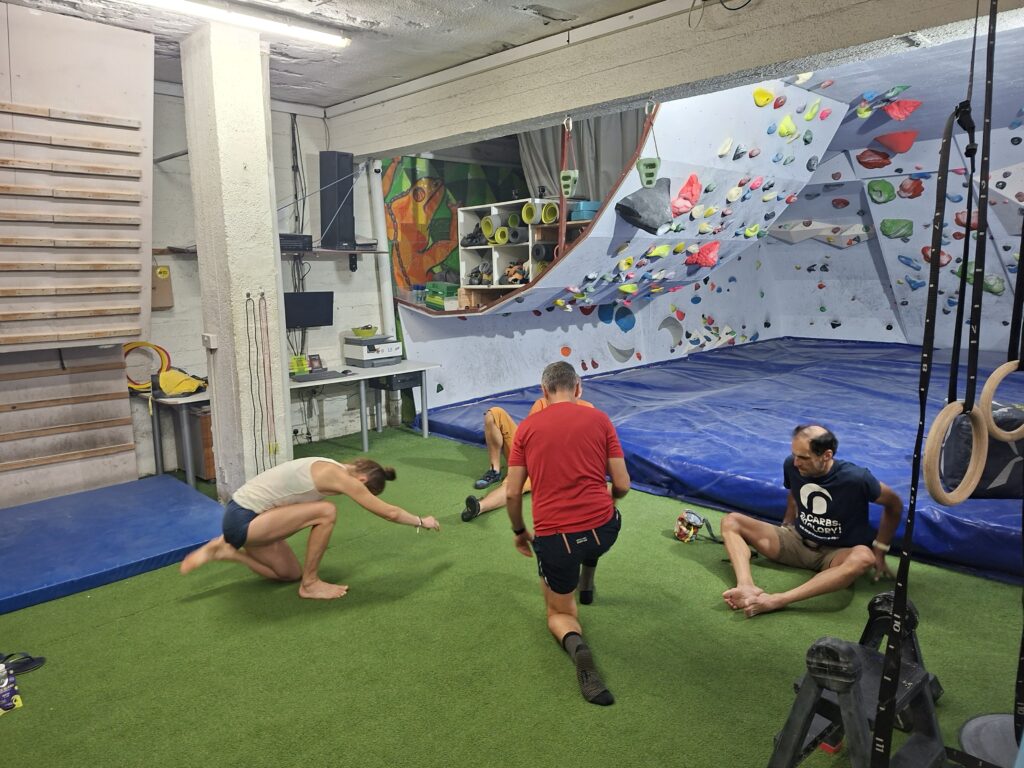
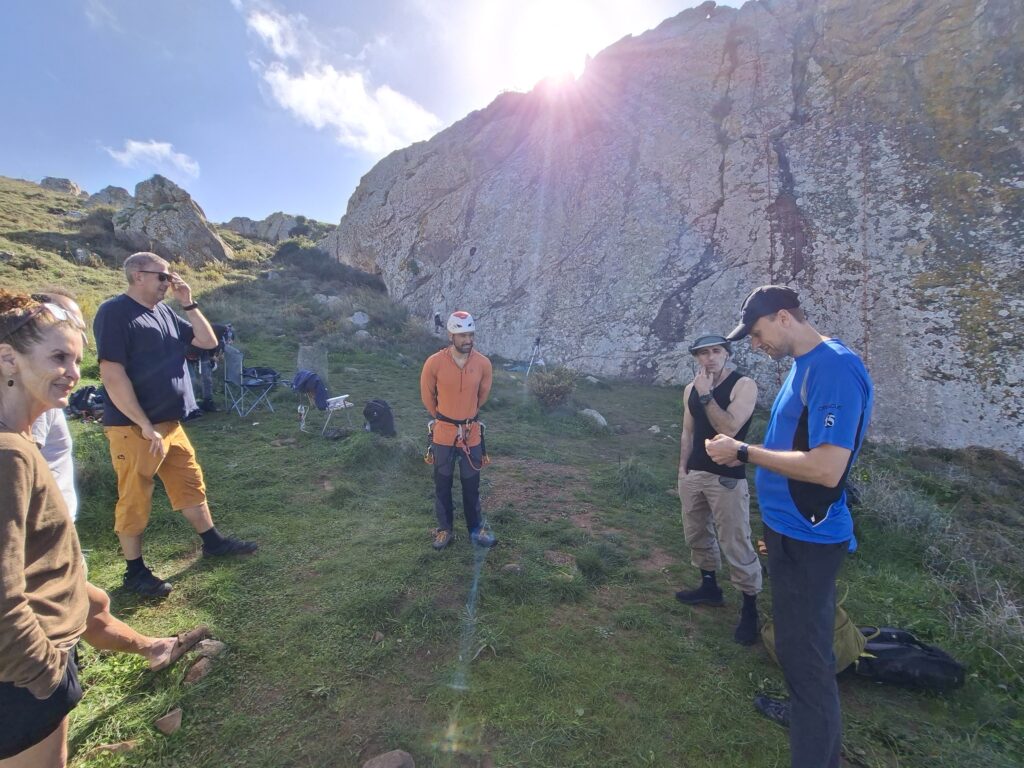
Just how much we can learn from one another became clear right from the start during our group warm-up: Each instructor contributed an exercise from their own area of expertise—ranging from yoga to qigong to rock climbing—and this naturally led to a lively exchange of techniques. During the bouldering session that followed, a climbing instructor from our group took the lead, demonstrating just how much expertise we have within our own team. Finally, during the outdoor climbing session with Mountain Expedition Cyprus, we experienced firsthand what qualified leadership and thorough preparation look like in practice, and felt how quickly trust grows within a group when members belay one another.
Out and about, with a keen eye
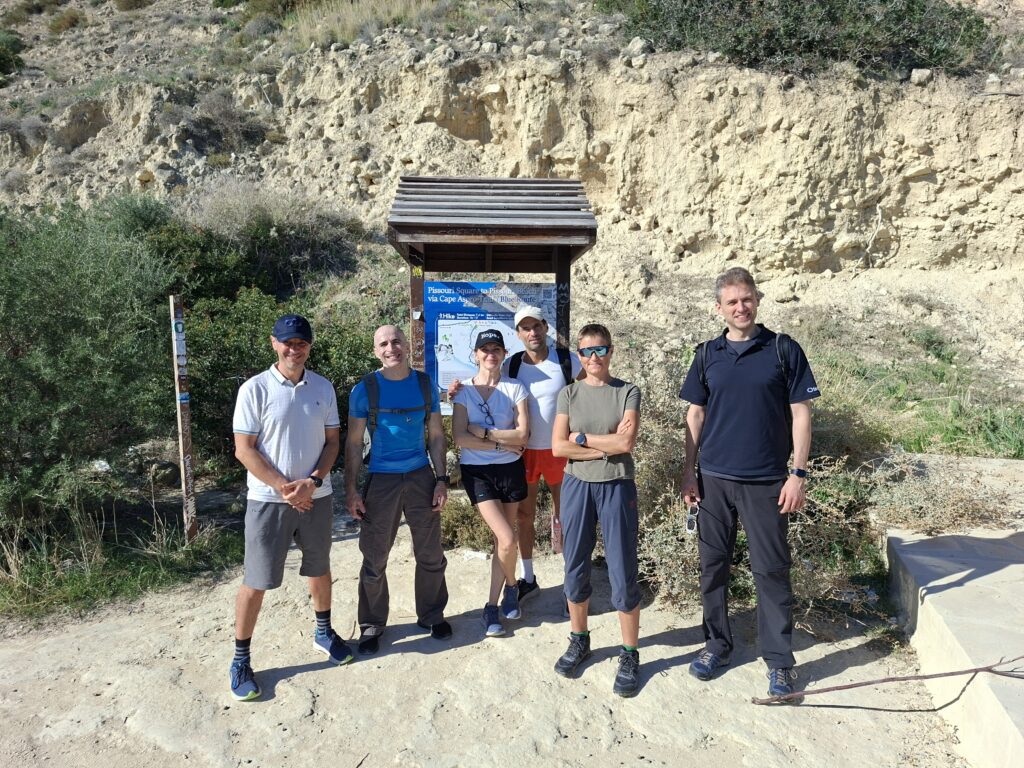
Our two hikes—one along the coast near Cape Aspro and another in the Troodos Mountains at nearly 2,000 meters—also provided us with valuable insights for our group programs. We learned how important it is to ask about participants’ fitness levels and any fear of heights in advance, to verify official difficulty ratings ourselves, and to provide specific clothing recommendations, since it was about ten degrees cooler in the mountains than on the beach. We’ve compiled all of this into a checklist for group hikes.
Inclusion, Sustainability, and Europe
Throughout all program activities, we also kept the cross-cutting themes of Erasmus+ in mind. We asked ourselves how accessible an activity is for people with varying fitness levels and how sustainably an event can be organized. A visit to a local organic farmer showed us how well regional food and physical activity go hand in hand, and we saw how even simple digital tools—such as a group chat before each activity—can make organization much easier. Finally, a tour of Nicosia—Europe’s last divided capital—inspired us to reflect on encounters, borders, and the unifying power of sports.
New Contacts for Projects and Training
One of the most valuable outcomes of this week is our expanded network. Our collaboration with ACPELIA has deepened further, and in Mountain Expedition Cyprus, we’ve met a new partner for outdoor and team-building activities—with whom we’ve already scheduled follow-up meetings. In addition, we’ve established contacts with local businesses focused on sustainability and made initial connections in England. This is generating not only ideas for joint follow-up projects but also very practical insights for our trainers’ day-to-day work.
What happens next
Now it’s time to apply what we’ve learned to our club’s day-to-day operations. In a transfer workshop, we’ll share our insights with all Tredu Club coaches and members; the checklists will be incorporated into our planning; and we’ll actively follow up on the new contacts we’ve made. In this way, an intensive week of learning becomes a lasting contribution to our community sports programs in Vienna, and we look forward to putting the first ideas into action together with you soon.
Funded by the European Union. However, the views and opinions expressed herein are solely those of the author(s) and do not necessarily reflect those of the European Union or the European Executive Agency for Education and Culture (EACEA). Neither the European Union nor the EACEA can be held responsible for them.